Lumen
project overview
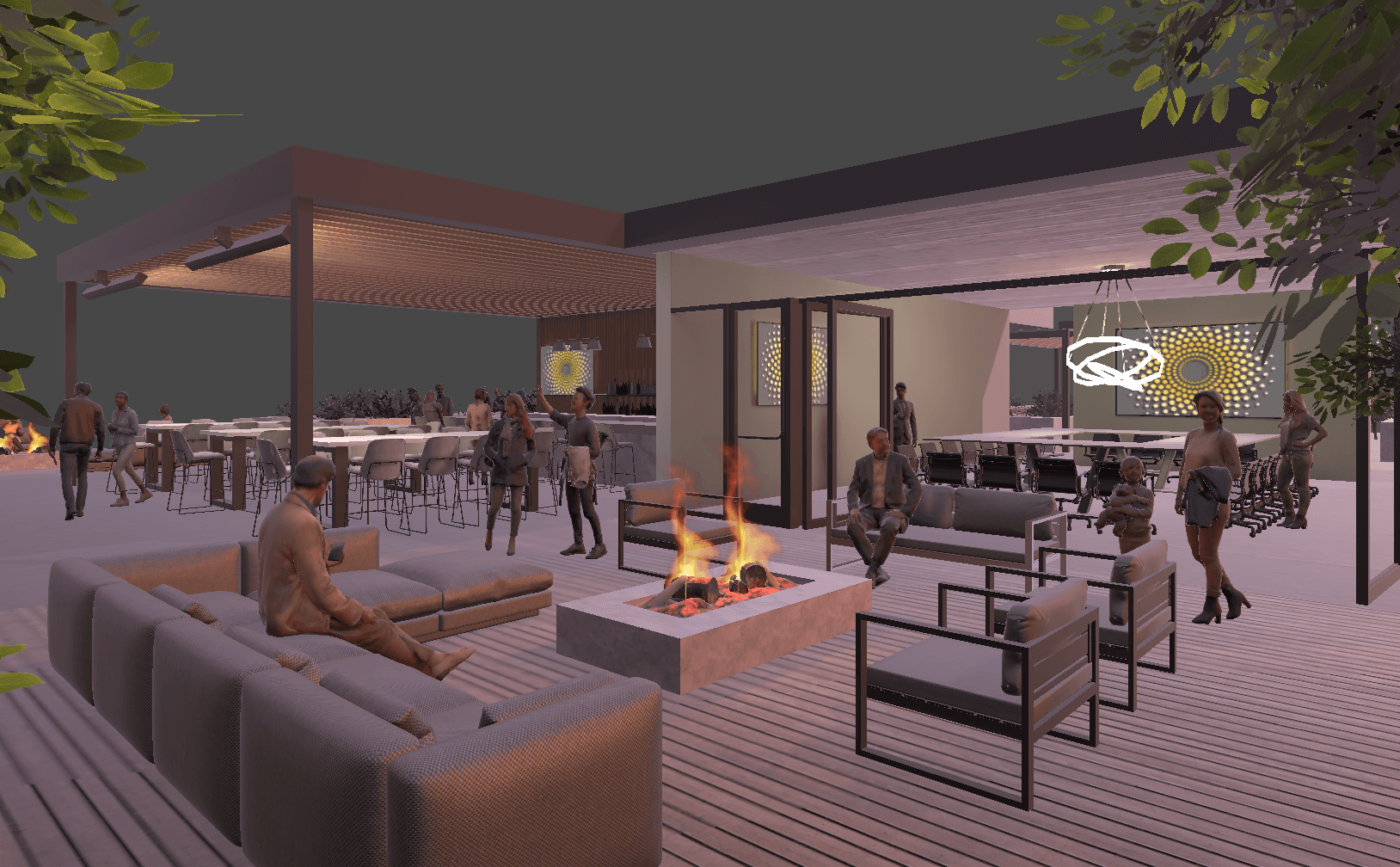
Lumen is a high-performance augmented reality application running on iPad silicon, designed to overlay a 1:1 scale digital twin onto a physical site for real-time visualization.
project type
Digital twin, location based AR
year
2024
my role
Technical Artist
client
Lumen


process
Faced with the challenge of visualizing a complex, vegetation-heavy architectural design on constrained mobile hardware, I engineered a custom workflow to translate heavy BIM and CAD data into a lightweight runtime application. The project demanded a rigorous balance between spatial accuracy and performance efficiency, requiring aggressive geometry reduction techniques to maintain a stable 60fps frame rate while ensuring the digital model matched the physical site context perfectly for stakeholder reviews.
Faced with the challenge of visualizing a complex, vegetation-heavy architectural design on constrained mobile hardware, I engineered a custom workflow to translate heavy BIM and CAD data into a lightweight runtime application. The project demanded a rigorous balance between spatial accuracy and performance efficiency, requiring aggressive geometry reduction techniques to maintain a stable 60fps frame rate while ensuring the digital model matched the physical site context perfectly for stakeholder reviews.
Faced with the challenge of visualizing a complex, vegetation-heavy architectural design on constrained mobile hardware, I engineered a custom workflow to translate heavy BIM and CAD data into a lightweight runtime application. The project demanded a rigorous balance between spatial accuracy and performance efficiency, requiring aggressive geometry reduction techniques to maintain a stable 60fps frame rate while ensuring the digital model matched the physical site context perfectly for stakeholder reviews.
key contributions
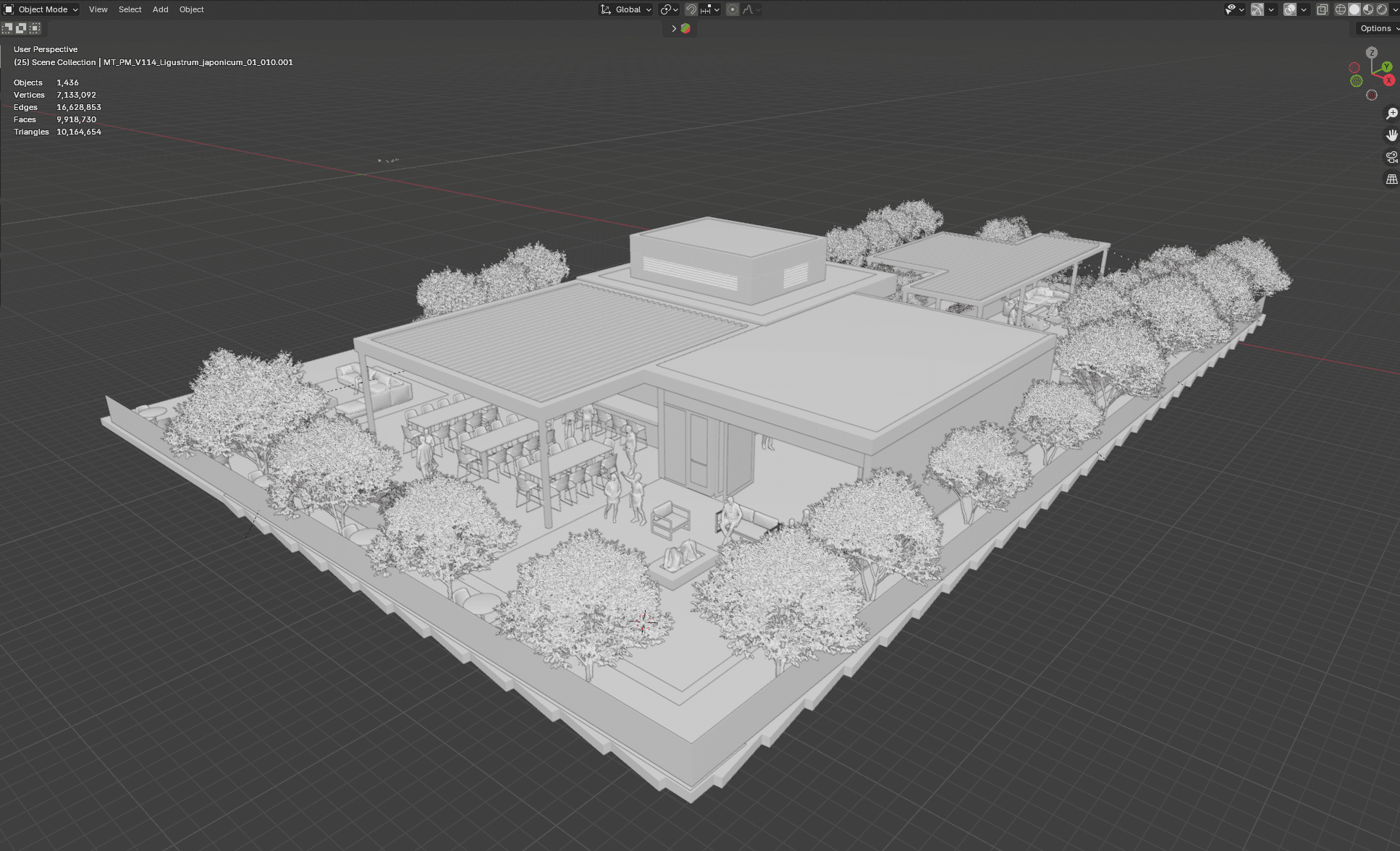
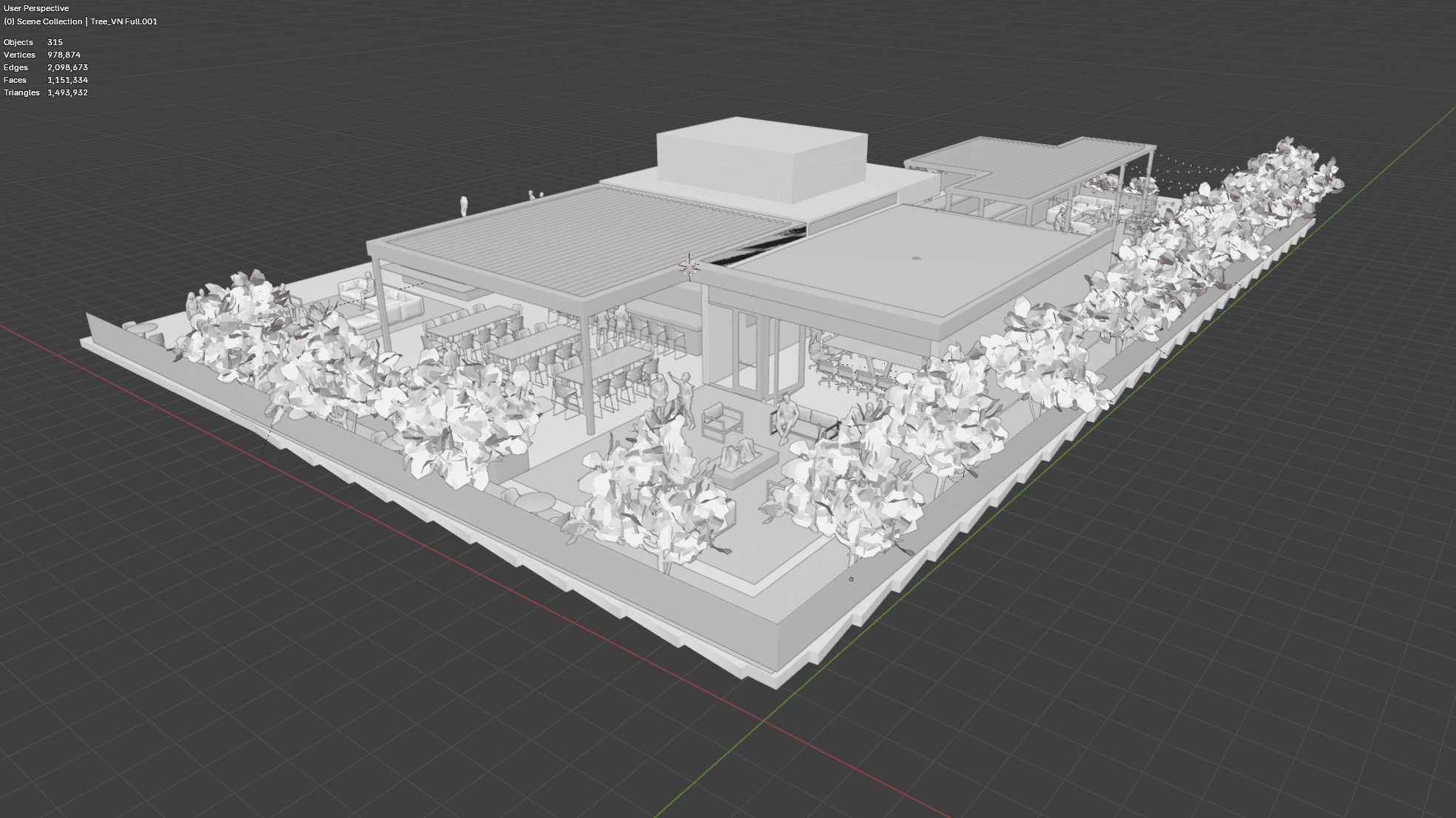
Extreme Scene Optimization: Engineered a geometry reduction pipeline that decreased total scene complexity by 84% (10M to 1.6M triangles), enabling stable real-time performance on mobile devices without sacrificing architectural intent.
Asset-Specific Retopology: Developed targeted optimization strategies for diverse asset types, reducing organic vegetation from 1M to 14k polys via alpha cards and hard-surface furniture from 900k to 70k polys via clean topology retargeting—ensuring both visual fidelity and accurate collision boundaries.
CAD-to-Engine Ingestion: Established a precision-focused pipeline to translate raw BIM/CAD data into optimized Unity assets, ensuring strict spatial accuracy for digital twin verification.
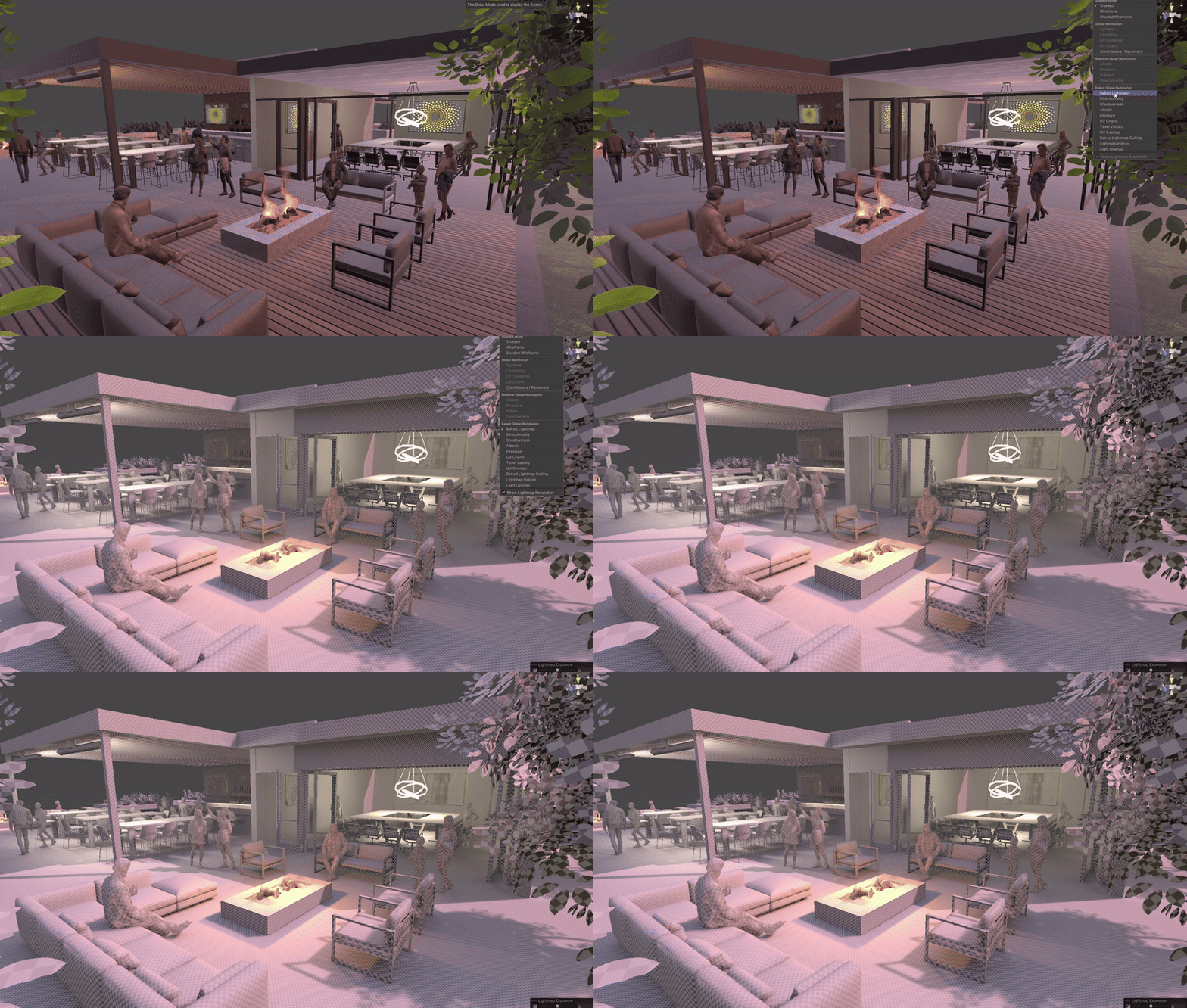
High-Fidelity Lighting Strategy: Executed a static lighting workflow in Unity, optimizing UV packing and texel density to bake complex global illumination into lightweight texture maps for mobile-ready realism.
Extreme Scene Optimization: Engineered a geometry reduction pipeline that decreased total scene complexity by 84% (10M to 1.6M triangles), enabling stable real-time performance on mobile devices without sacrificing architectural intent.
Asset-Specific Retopology: Developed targeted optimization strategies for diverse asset types, reducing organic vegetation from 1M to 14k polys via alpha cards and hard-surface furniture from 900k to 70k polys via clean topology retargeting—ensuring both visual fidelity and accurate collision boundaries.
CAD-to-Engine Ingestion: Established a precision-focused pipeline to translate raw BIM/CAD data into optimized Unity assets, ensuring strict spatial accuracy for digital twin verification.
High-Fidelity Lighting Strategy: Executed a static lighting workflow in Unity, optimizing UV packing and texel density to bake complex global illumination into lightweight texture maps for mobile-ready realism.
Extreme Scene Optimization: Engineered a geometry reduction pipeline that decreased total scene complexity by 84% (10M to 1.6M triangles), enabling stable real-time performance on mobile devices without sacrificing architectural intent.
Asset-Specific Retopology: Developed targeted optimization strategies for diverse asset types, reducing organic vegetation from 1M to 14k polys via alpha cards and hard-surface furniture from 900k to 70k polys via clean topology retargeting—ensuring both visual fidelity and accurate collision boundaries.
CAD-to-Engine Ingestion: Established a precision-focused pipeline to translate raw BIM/CAD data into optimized Unity assets, ensuring strict spatial accuracy for digital twin verification.
High-Fidelity Lighting Strategy: Executed a static lighting workflow in Unity, optimizing UV packing and texel density to bake complex global illumination into lightweight texture maps for mobile-ready realism.