VR Walkthrough
project overview
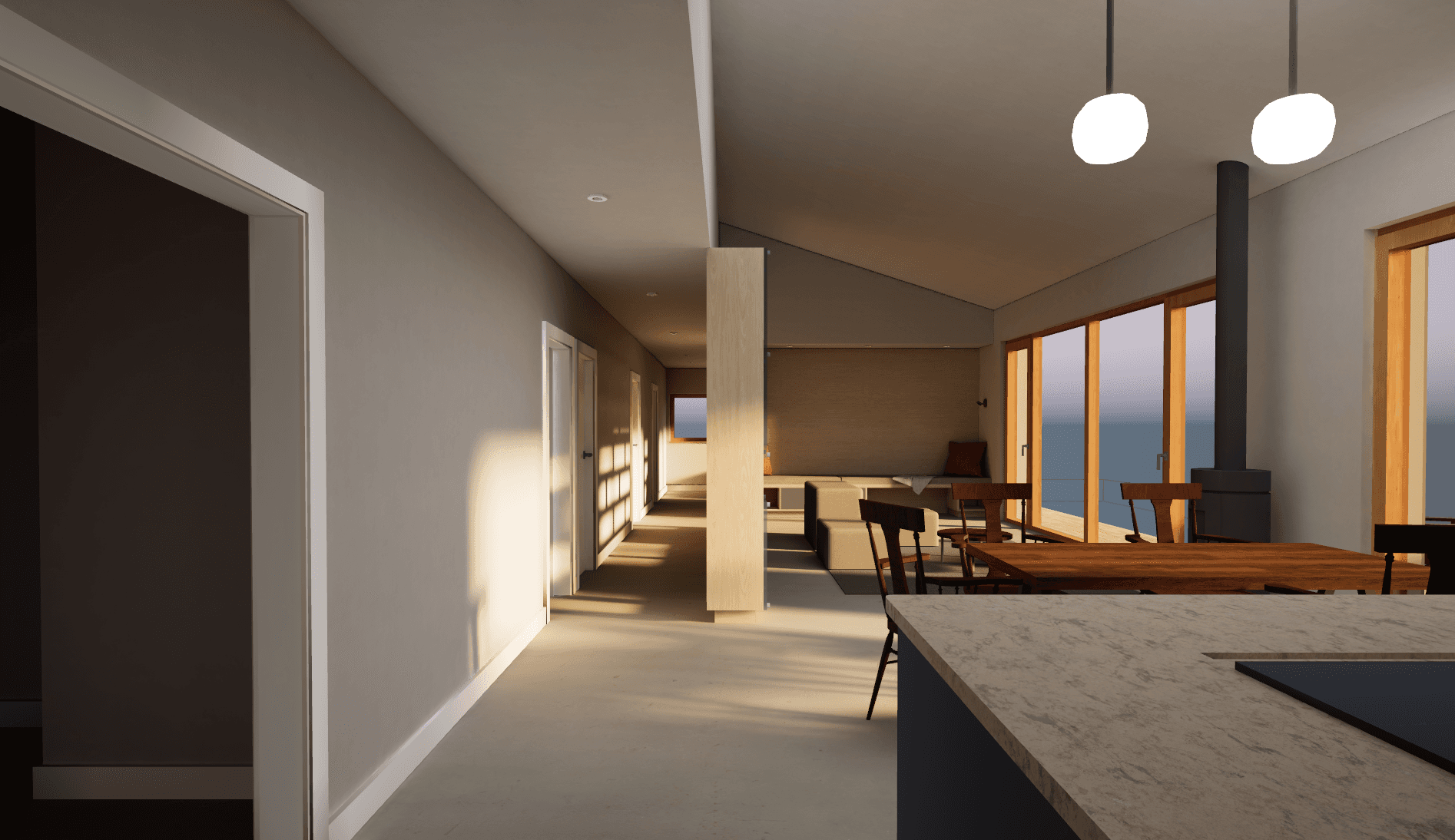
VR Walkthrough is a self-directed prototype that transforms 2D architectural plans into an immersive, 1:1 scale environment for spatial validation and material testing.
project type
Digital twin
year
2024
my role
3D & Technical Artist
client
Self-directed

process
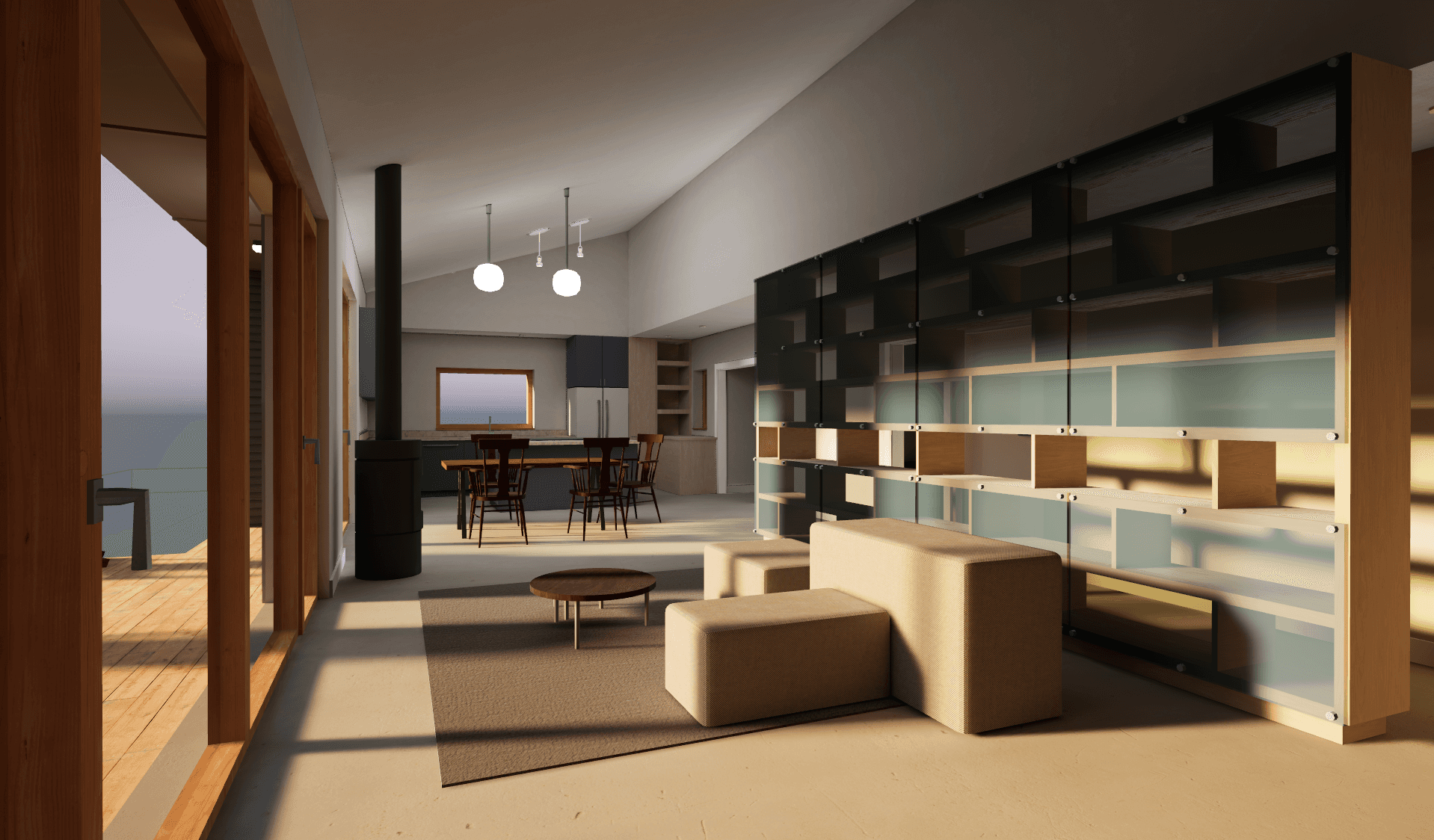
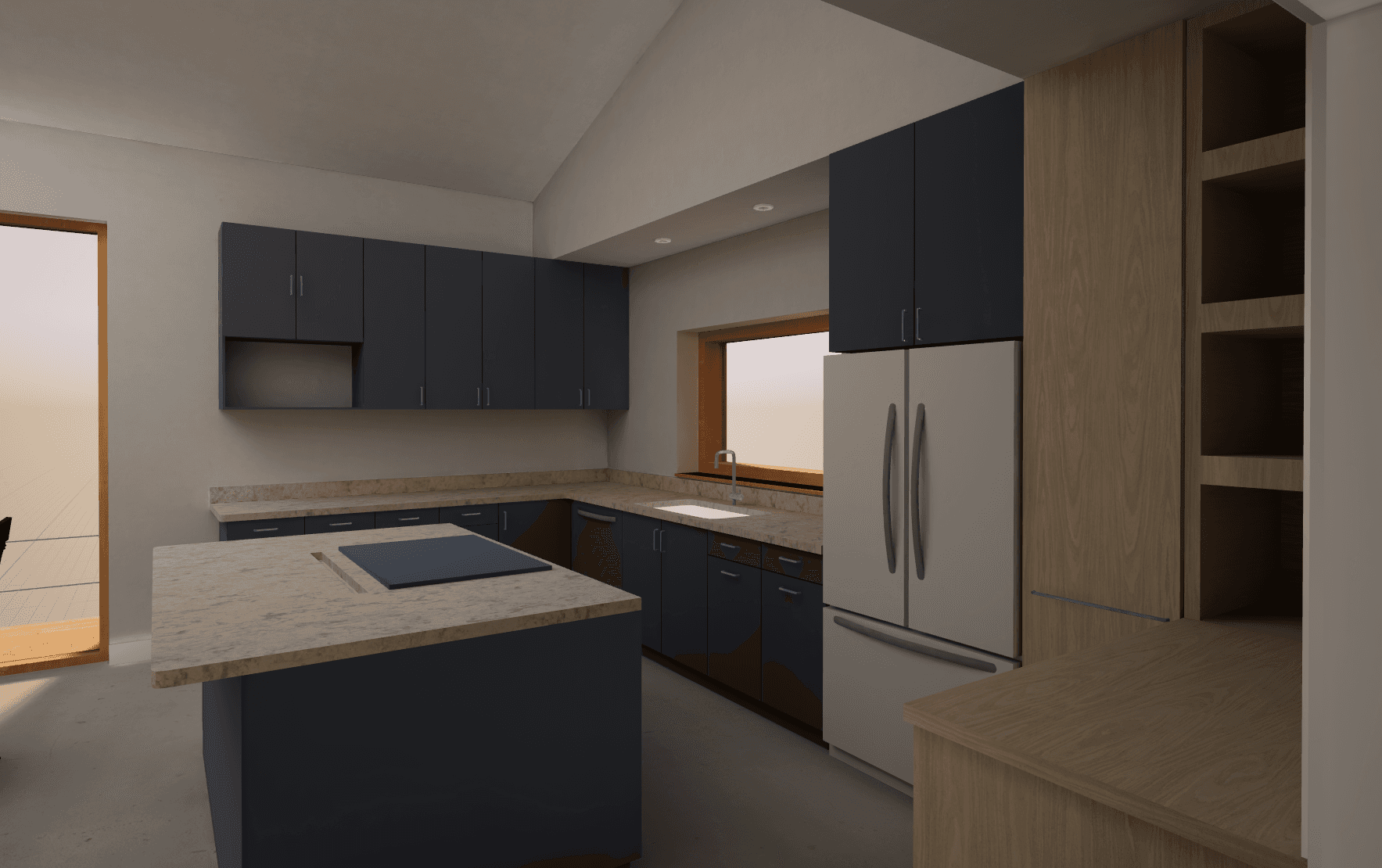
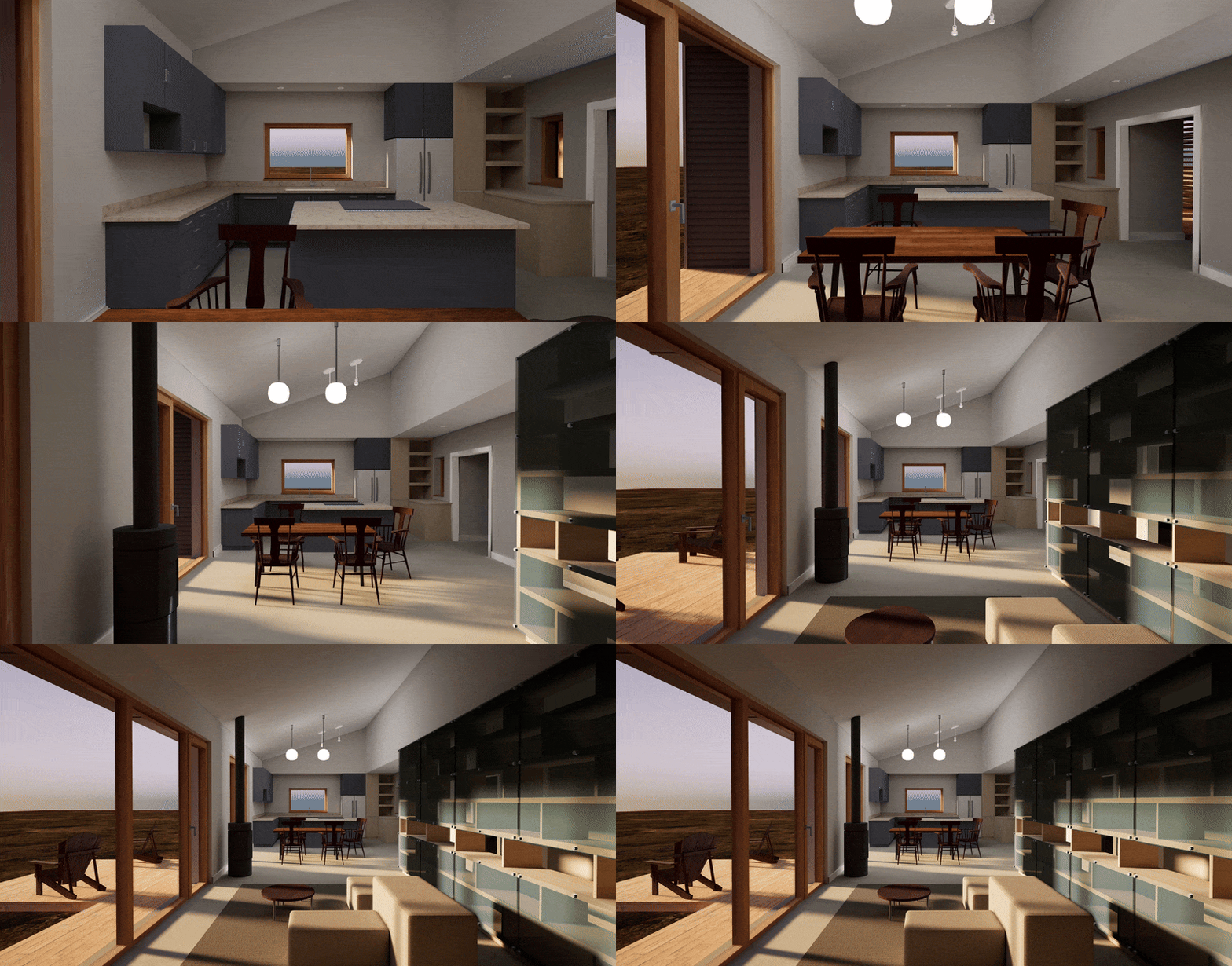
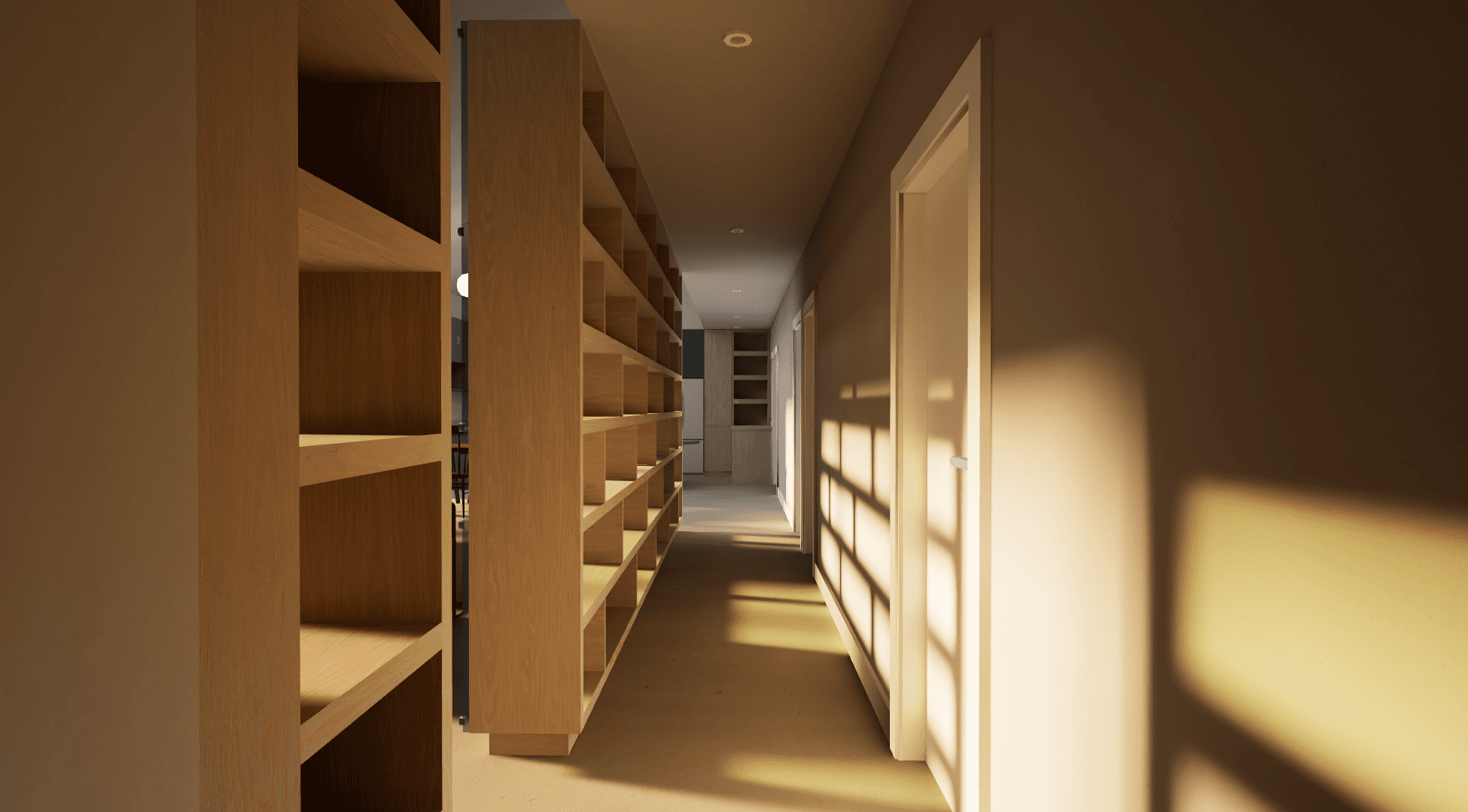
This project demonstrates my end-to-end pipeline for translating traditional architectural documentation into interactive real-time experiences. Working from a GO LOGIC house design, I reconstructed the residence in Unreal Engine 5 to test spatial arrangements, circulation flows, and material decisions at full scale. The project served both as a design tool for validating architectural decisions and as a technical showcase of my ability to manage high-fidelity assets in a real-time engine.
This project demonstrates my end-to-end pipeline for translating traditional architectural documentation into interactive real-time experiences. Working from a GO LOGIC house design, I reconstructed the residence in Unreal Engine 5 to test spatial arrangements, circulation flows, and material decisions at full scale. The project served both as a design tool for validating architectural decisions and as a technical showcase of my ability to manage high-fidelity assets in a real-time engine.
This project demonstrates my end-to-end pipeline for translating traditional architectural documentation into interactive real-time experiences. Working from a GO LOGIC house design, I reconstructed the residence in Unreal Engine 5 to test spatial arrangements, circulation flows, and material decisions at full scale. The project served both as a design tool for validating architectural decisions and as a technical showcase of my ability to manage high-fidelity assets in a real-time engine.
key contributions
CAD-to-3D Translation & Optimization: Interpreted 2D architectural plans from GO LOGIC to model accurate residential geometry in Blender, aggressively optimizing the complete house and interior to ~15K polygons while maintaining dimensional precision and architectural integrity for a true 1:1 VR experience.
Photorealistic Material Development: Created custom materials in Unreal Engine 5, leveraging PBR workflows to achieve realistic surface quality for design validation and presentation.
Spatial Validation in VR: Built an interactive walkthrough that enabled firsthand evaluation of room scale, circulation patterns, and material choices at full scale, identifying design qualities that are imperceptible in 2D drawings or static renders.
CAD-to-3D Translation & Optimization: Interpreted 2D architectural plans from GO LOGIC to model accurate residential geometry in Blender, aggressively optimizing the complete house and interior to ~15K polygons while maintaining dimensional precision and architectural integrity for a true 1:1 VR experience.
Photorealistic Material Development: Created custom materials in Unreal Engine 5, leveraging PBR workflows to achieve realistic surface quality for design validation and presentation.
Spatial Validation in VR: Built an interactive walkthrough that enabled firsthand evaluation of room scale, circulation patterns, and material choices at full scale, identifying design qualities that are imperceptible in 2D drawings or static renders.
CAD-to-3D Translation & Optimization: Interpreted 2D architectural plans from GO LOGIC to model accurate residential geometry in Blender, aggressively optimizing the complete house and interior to ~15K polygons while maintaining dimensional precision and architectural integrity for a true 1:1 VR experience.
Photorealistic Material Development: Created custom materials in Unreal Engine 5, leveraging PBR workflows to achieve realistic surface quality for design validation and presentation.
Spatial Validation in VR: Built an interactive walkthrough that enabled firsthand evaluation of room scale, circulation patterns, and material choices at full scale, identifying design qualities that are imperceptible in 2D drawings or static renders.